



Wisdom Teeth Removal FAQs | Scituate, MA Oral Surgery Specialists
FAQs for Parents: What You Want to Know Before Your Child’s Wisdom Tooth Surgery
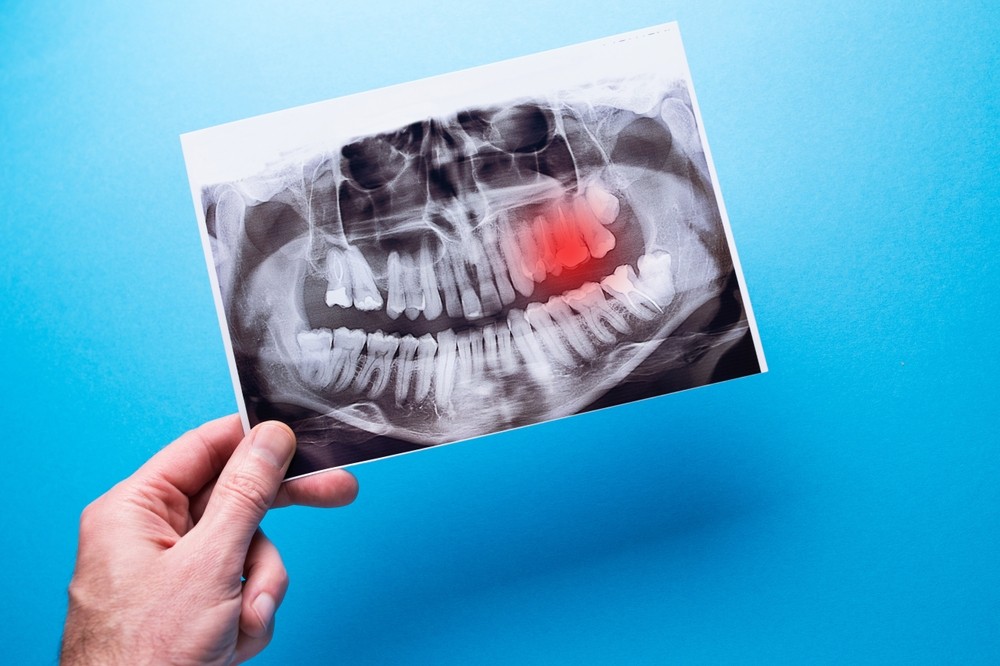
At what age should my child have their wisdom teeth evaluated?
We recommend having wisdom teeth evaluated in the mid-teen years, usually between ages 14 and 15. Most dentists will evaluate your child’s teeth and recommend seeing an oral surgeon if wisdom teeth removal is needed. If your child’s dentist hasn’t done so, we suggest you ask them to at their next appointment. If they recommend wisdom teeth extraction, our Plymouth County oral surgeon can explain the procedure in full at your child’s first appointment.
How do I know if my teen needs their wisdom teeth removed?
In many cases, your child’s dentist will see signs of potential problems, such as shifting of the teeth or impaction, when performing a dental exam or in X-rays or digital images.
Signs that you or your child notice that indicate a wisdom tooth needs to be removed include:
- Throbbing or aching pain in the back of the mouth
- Swelling, bleeding, or pus discharge at the back of the mouth
- Pain radiating from the jaw to the ear.
- Chronic bad breath or a bad taste in the mouth
- Swollen, painful gums around the molars
Are You in Need of Oral & Maxillofacial Treatment?
Schedule your next appointment with us today!
How safe is wisdom teeth removal?
It is one of the most commonly performed and safest oral surgery procedures, with over 5 million Americans undergoing it every year.
What anesthesia or sedation options do you offer?
We offer a variety of sedation options to our patients. The surgery site is numbed with a local anesthetic. We typically use IV sedation for wisdom teeth removal, but we will review all options at your child’s consultation.
How long does the procedure take at an oral surgeon’s office?
Typically, wisdom tooth extraction takes 30 to 60 minutes, with an additional 60 minutes for preparation and recovery. However, if the extraction is complex, it may take a bit longer.
What are the risks of not removing wisdom teeth?
Wisdom teeth that are not removed can lead to problems later in life, including infection, abscess, impaction, gum disease, or bone loss. Removing wisdom teeth later in life requires a longer recovery period and is more likely to lead to complications.
How soon can my teen return to normal activities?
Most teens can return to their normal activities within 3 to 5 days. Before that, we encourage plenty of rest. For the first 3 days, avoiding any strenuous activities is important to allow the body time to heal.
FAQs for Teens & Young Adults: Your Wisdom Teeth Questions Answered
What does the recovery feel like?
Expect minor bleeding, pain, and swelling on the first day; use ice packs to minimize inflammation. For the first few days, you will have varying amounts of pain that can be minimized with over-the-counter pain relievers. We encourage you to relax, rest, and avoid any strenuous activities. This is your chance for a few days of video games, movies, and chilling on the couch! By the third day, jaw stiffness is common and can be relieved with moist heat. Limit your activities for 3 to 5 days to allow proper healing, and follow all post-operative instructions closely for a smoother recovery. For more detailed information, please see our After Wisdom Teeth Extraction page.
What can I eat after wisdom teeth removal?
On the first day, you will be on a soft diet (smoothies, mashed potatoes, yogurt, pudding, hummus, etc.). After the first week, you can begin to add firmer foods. For the first week, do not drink alcohol or smoke. These interfere with healing.
How long will my face be swollen?
Most swelling will subside within the first week, though you may have mild puffiness for up to 2 weeks. Using ice packs on the first few days will help minimize this.
Will I be awake during surgery?
Most of our patients are sedated with IV medication. Once the IV sedation wears off, you will not recall the surgery.
What is dry socket, and how do I avoid it?
A dry socket occurs when the blood clot over the tooth extraction site is dislodged too soon. This exposes the empty socket and its nerves to irritation. The pain can be intense and usually begins between the third and fifth days after surgery.
To avoid dry socket, do not probe the surgery site with your tongue or fingers, avoid the area when brushing your teeth, and do not use drinking straws or anything that creates suction. If you suspect a dry socket, call our office, and we can treat the site and prescribe additional pain medication if needed.
What if my wisdom teeth aren’t hurting? Do I still need them removed?
If your dentist or oral surgeon in Scituate, MA, has recommended wisdom teeth removal, it is because they believe proactive removal will prevent more serious problems later in life. Leaving wisdom teeth in place now could lead to impaction, infection, abscess, bone loss, cysts/tumors, gum disease, and other problems later in life. Unfortunately, as you grow older, the roots of your wisdom teeth grow longer, making removal more complicated when you are in your 40s or older.
How will I know if something is wrong after surgery?
Any of the following symptoms could indicate a problem:
- A fever over 101 degrees, chills, pus, red streaks, or other signs of infection
- Severe, throbbing pain from a dry socket
- Heavy bleeding that doesn’t stop with pressure
- Prolonged tingling or numbness in the lips, tongue, or chin
- Increased pain or swelling after the third day
- Difficulty swallowing or breathing, or a feeling of tightness in the throat
If you experience any of the above symptoms, contact our office for instructions.
Why Choose Scituate Oral & Maxillofacial Surgery for Wisdom Teeth Removal?
Dr. Johnson is a board-certified oral surgeon, having completed years of additional study following dental school and passed rigorous exams to achieve board certification. She has been practicing since 2005 and specializes in wisdom teeth removal. Her compassionate demeanor and expertise are well known to her patients. Her surgical staff are fully trained in sedation techniques and CPR. Dr. Johnson has Advanced Cardiac Life Support training.
If you have any questions that are not answered here, please feel free to contact us at Scituate Oral and Maxillofacial Surgery Office Phone Number 781-545-6565. We are always happy to answer your questions.